SPL Systems
SwitchPath Lights™ is a solar-powered, patent-pending railroad safety system designed to clearly indicate the aligned route through a turnout using in-track LED illumination. By moving critical alignment information from the switch stand to the track path itself, the system improves visibility for crews and reduces the risk of run-through switches.
Solar-powered, self-contained system
Modular design for multiple turnout environments
No signal system integration required
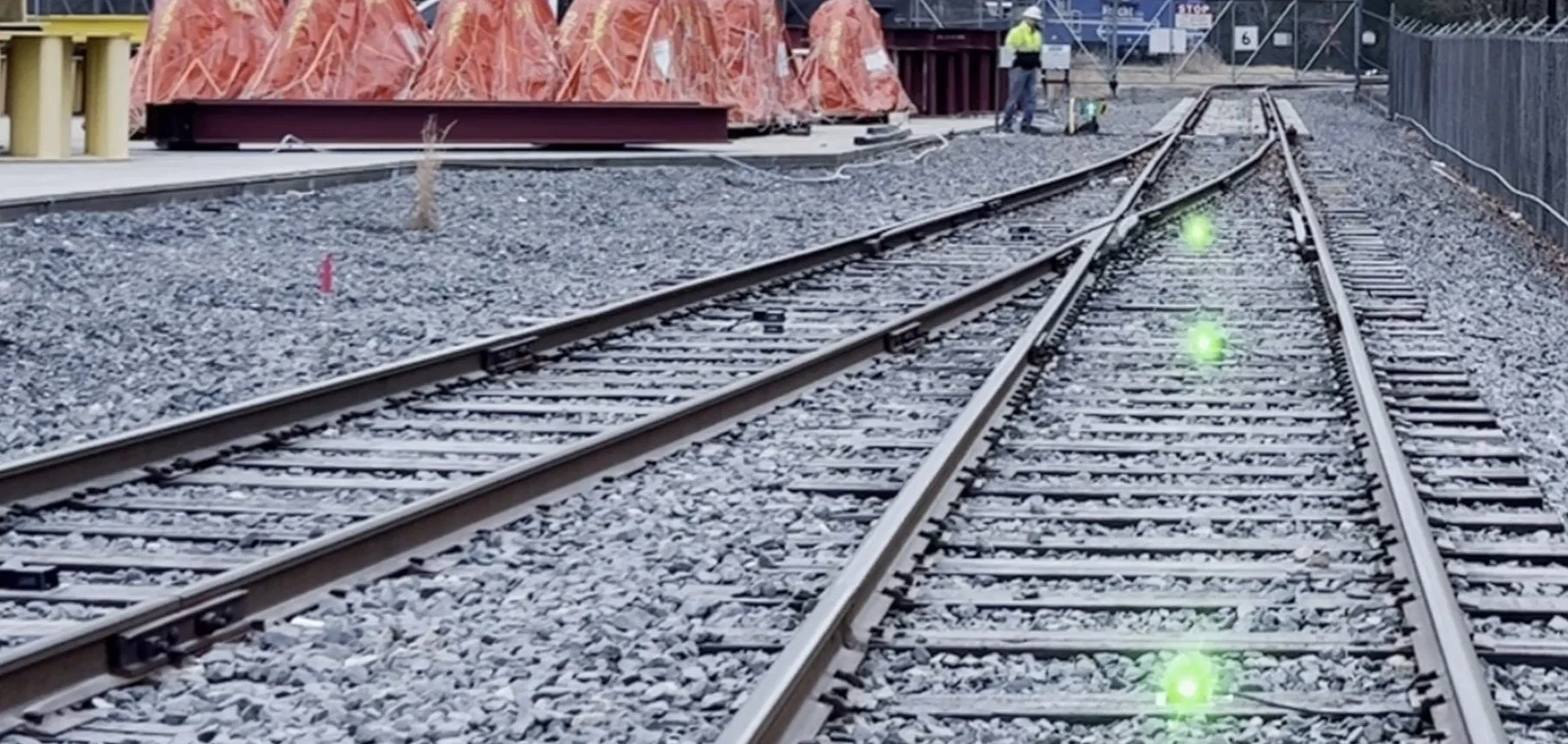
Available SPL Systems
SwitchPath Lights™ — Solar Powered System
Status: In Production
Availability: Shipping from current production beginning March 2026
The SwitchPath Lights™ solar-powered system is designed for unpaved turnouts on industry track, intermodal yards, and railroad operations where clear visual confirmation of the aligned route is critical.
Power Source
SwitchPath Lights™ uses industrial-grade Tycon® solar panels and MPPT charge controllers to provide reliable, 24/7 power. Designed for harsh environments, the system delivers excellent low-light performance and can operate for extended periods with limited sunlight—ensuring consistent illumination with minimal maintenance.
LED Configuration Options
4-LED Standard Visibility (2 LEDs per side of the aligned route)
6-LED Extended Visibility (3 LEDs per side of the aligned route)
LED Colors
LED colors are configurable to match existing railroad turnout color schemes
Most customers select colors consistent with their associated railroad standards
Typical Applications
Industry track
Intermodal yards
Short line railroads
Class I, II, and III railroad operations
Systems are manufactured in scheduled production runs using production-grade components.
Early orders are being accepted for upcoming production.
Configuration Flexibility
SwitchPath Lights™ systems are configured based on the operating environment, visibility requirements, and site conditions. LED quantity, color, and layout are selected to ensure clear indication of the aligned track path without unnecessary complexity.
Configurations are based on standard system components and are reviewed on a per-track basis to ensure compatibility with the intended installation location.